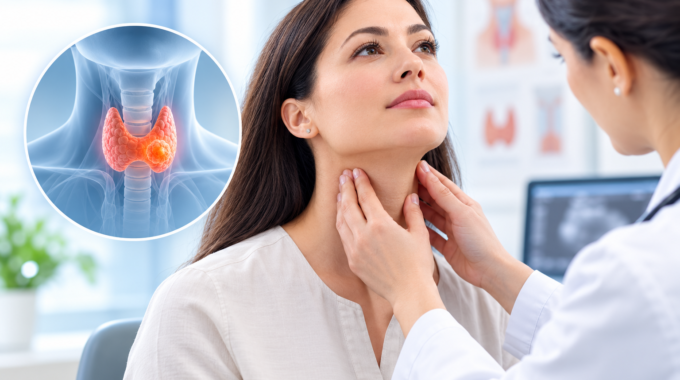
Thyroid cancer develops when abnormal cells begin to grow inside the thyroid gland. In many cases, it starts as a thyroid nodule that does not cause pain or noticeable symptoms.
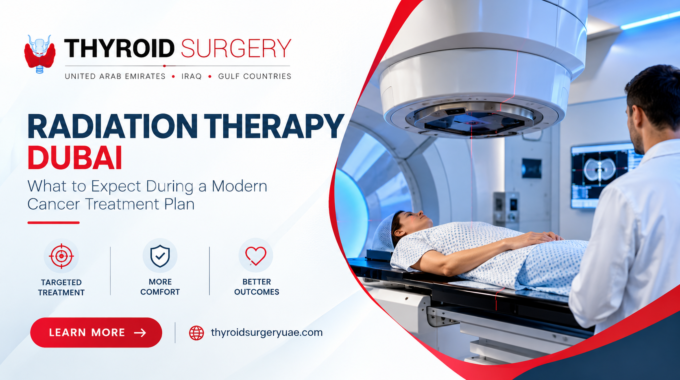
Radiation Therapy Dubai: What to Expect During a Modern Cancer Treatment Plan
A cancer diagnosis can bring many questions about treatment, recovery, and what daily life may look like during therapy. Radiation therapy is an important treatment option for many types of cancer. With modern planning methods, treatment can be carefully designed around the location and characteristics of a tumor while aiming to protect nearby healthy tissues.
For patients exploring Radiation Therapy Dubai, understanding the treatment journey can make the process easier to manage. From the first consultation to follow up care, each stage has an important role in creating a safe and personalized treatment plan.
Understanding Radiation Therapy:-
Radiation therapy uses high energy radiation to damage cancer cells and prevent them from growing and dividing. It may be used as the main treatment or together with surgery, chemotherapy, immunotherapy, or other cancer treatments.
Radiation Therapy Dubai can involve different techniques depending on the type, size, location, and stage of cancer. Your oncology team will review your medical history, imaging results, biopsy findings, and previous treatments before recommending an appropriate approach.
The goal of modern treatment is not simply to deliver radiation. It is to plan the treatment carefully so the cancer receives the intended dose while limiting exposure to surrounding organs and tissues.
What Happens Before Treatment?
Before starting Radiation Therapy Dubai, patients usually have a consultation with the oncology team. The doctor discusses the diagnosis and explains why radiation may be recommended. Imaging may also be reviewed or performed to help define the treatment area.
A planning appointment may include a CT scan or other imaging. The information collected during this stage helps the radiation oncology team create an individualized treatment plan.
Patients may also receive instructions about skin care, nutrition, medications, and what to expect during treatment.
The Role of Radiation Oncology UAE:-
Radiation Oncology UAE involves a multidisciplinary approach to cancer care. Radiation oncologists work with medical oncologists, surgeons, radiologists, pathologists, nurses, physicists, and other healthcare professionals when required.
This teamwork helps ensure that treatment decisions are based on the patient’s diagnosis and overall medical nee
| Treatment stage | What patients can expect |
| Consultation | Review of diagnosis, imaging, medical history, and treatment options |
| Planning | Imaging and treatment mapping to determine the radiation area |
| Treatment | Scheduled radiation sessions based on the prescribed plan |
| Follow up | Monitoring of response, side effects, and recovery |
What Happens During a Treatment Session?
During Radiation Therapy Dubai, patients are positioned carefully on the treatment table. Depending on the treatment area, special positioning devices may be used to help maintain the correct position.
The radiation machine is adjusted according to the treatment plan. The actual radiation delivery is generally quick, although the complete appointment may take longer because positioning and safety checks are required.
Radiation treatment itself is usually painless. Patients do not normally feel the radiation while it is being delivered. The number of sessions varies depending on the cancer type, treatment purpose, dose, and individual plan.
Managing Treatment During Cancer Care
Cancer treatment is different for every patient. Some people may experience few side effects, while others may develop tiredness, skin changes, or symptoms related to the area being treated.
A Cancer Treatment Dubai plan may include radiation together with other therapies. Your medical team will explain how the treatments work together and what monitoring may be required.
Four practical areas can help patients prepare for treatment:
- Attend scheduled appointments and follow the treatment team’s instructions carefully.
- Tell your healthcare team about new symptoms, medication changes, or concerns.
- Maintain appropriate nutrition, hydration, rest, and daily activity according to medical advice.
- Keep regular follow up appointments so your response to treatment can be monitored.
Working With an Oncology Specialist UAE
Choosing an Oncology Specialist UAE involves more than looking at the treatment itself. Patients may benefit from a team that explains the diagnosis, treatment goals, possible side effects, and follow up process in clear language.
An Oncology Specialist UAE can help coordinate care with other specialists when radiation is combined with surgery, chemotherapy, targeted treatment, or other approaches.
Modern cancer care focuses on creating an individualized plan rather than using the same treatment approach for every patient.
Follow Up After Radiation Treatment:-
Follow up is an important part of Radiation Therapy Dubai. Your healthcare team may schedule appointments to assess how you are responding to treatment and whether any side effects require attention.
Depending on the cancer type, follow up may include physical examinations, blood tests, imaging, or other investigations. The schedule varies from patient to patient.
For people researching Radiation Oncology UAE, discussing the complete treatment pathway with an oncology team can provide a clearer understanding of what to expect before treatment begins.
Understanding Your Treatment Options:-
Cancer care requires careful planning and communication. Radiation therapy may be used for different purposes, including treating cancer, reducing the risk of recurrence, or relieving symptoms in selected situations.
A Cancer Treatment Dubai plan should be based on the individual’s diagnosis, medical history, cancer stage, and treatment goals. Patients should discuss the expected benefits, possible risks, alternatives, and follow up requirements with their healthcare team.
Working with an Oncology Specialist UAE can also help patients understand how different cancer treatments may fit together as part of their overall care.
Frequently Asked Questions
Is Radiation Therapy Dubai painful?
Radiation delivery is generally painless. Some side effects may develop during treatment, depending on the body area treated.
How long does Radiation Therapy Dubai take?
Treatment schedules vary. Some patients need several sessions, while others may require a longer course based on their diagnosis and treatment plan.
Who provides Radiation Oncology UAE care?
Radiation oncologists lead radiation treatment and work with other specialists to develop and monitor an individualized cancer care plan.
How do I choose an Oncology Specialist UAE?
Consider the specialist’s experience, treatment approach, communication, available services, and coordination with other cancer care professionals.

Related Posts
This Post Has 0 Comments