A lump or swelling in the neck can understandably cause concern, especially when it is…
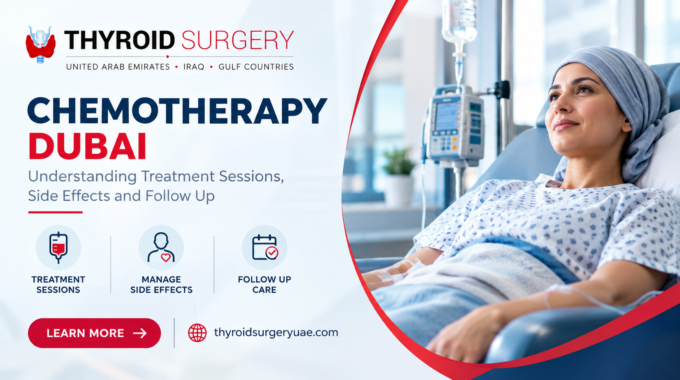
Chemotherapy Dubai: Understanding Treatment Sessions, Side Effects and Follow Up
Starting cancer treatment can bring many questions about chemotherapy, treatment sessions, possible side effects, and what happens after treatment. Chemotherapy is used for many types of cancer and may be recommended alone or alongside surgery, radiation therapy, targeted therapy, or immunotherapy.
For patients exploring Chemotherapy Dubai, understanding the treatment process can make each stage easier to prepare for. Treatment plans are developed according to the type and stage of cancer, previous treatments, overall health, and individual treatment goals.
What Is Chemotherapy?
Chemotherapy uses medicines designed to destroy cancer cells or slow their growth. Depending on the cancer, chemotherapy may be given before surgery, after surgery, together with radiation, or as part of treatment for advanced disease.
A Medical Oncology UAE team reviews the diagnosis and available test results before recommending a treatment plan. The type of medicine, dose, timing, and number of sessions can differ significantly between patients.
The treatment schedule is usually divided into cycles. A cycle may include a treatment session followed by a recovery period before the next session.
Preparing for Chemotherapy Dubai:-
Before starting Chemotherapy Dubai, the medical team usually reviews your medical history, medications, laboratory results, imaging, and pathology reports. Blood tests may be required before individual treatment sessions to check whether treatment can proceed safely.
Your oncology team may also explain:
- The purpose of chemotherapy and expected treatment schedule
- How the medicines will be administered
- Possible short term and longer term side effects
- Medicines that may help control treatment related symptoms
Patients should tell their healthcare team about existing medications, allergies, supplements, and any new symptoms before treatment begins.
What Happens During a Chemotherapy Session?
Chemotherapy can be administered in different ways depending on the medicine and cancer type. Intravenous treatment is commonly given through a vein, while some chemotherapy medicines may be available as tablets or other forms.
During Chemotherapy Dubai sessions, patients are monitored by healthcare professionals. The length of an appointment depends on the medicines being administered and whether additional fluids or supportive medications are required. Some sessions may take a few hours, while others can be shorter or longer.
Understanding Common Side Effects:-
Chemotherapy affects rapidly dividing cells, which means healthy cells can sometimes also be affected. Side effects vary according to the medicine, dose, treatment schedule, and individual patient. Common effects may include tiredness, nausea, changes in appetite, mouth discomfort, changes in blood cell counts, and hair loss with certain medicines.
Not every patient experiences the same effects. A Medical Oncology UAE team can explain the side effects associated with the specific medicines being considered and provide guidance on managing them.
Patients should contact their medical team if they develop concerning or unexpected symptoms rather than trying to manage serious symptoms without medical advice.
Chemotherapy and Cancer Treatment Dubai:-
Chemotherapy may form one part of a broader Cancer Treatment Dubai plan. Depending on the diagnosis, patients may receive a combination of treatments to address the cancer from different directions.
| Treatment stage | What may happen |
| Initial assessment | Diagnosis, medical history, pathology and imaging are reviewed |
| Treatment planning | Medicines, dosage and treatment schedule are discussed |
| Chemotherapy sessions | Medicines are administered according to the prescribed plan |
| Monitoring | Blood tests and clinical assessments help monitor treatment |
| Follow up | Response, recovery and future care are reviewed |
The sequence of treatment depends on the individual diagnosis. Some patients may receive chemotherapy before surgery, while others may receive it after surgery or alongside other treatments.
The Role of an Oncology Specialist UAE:-
An Oncology Specialist UAE can help patients understand their diagnosis and available treatment options. Medical oncologists also monitor treatment response and manage side effects throughout the treatment period.
Cancer care may involve several specialists. An Oncology Specialist UAE may coordinate with surgeons, radiation oncologists, radiologists, pathologists, nurses, and other healthcare professionals when multidisciplinary care is appropriate.
Clear communication is important throughout treatment. Patients should feel comfortable asking about their treatment schedule, expected side effects, medications, test results, and follow up plan.
Follow Up After Chemotherapy:-
Follow up is an important part of Chemotherapy Dubai care. After treatment sessions or completion of a chemotherapy course, the medical team may monitor symptoms, blood results, imaging findings, and other indicators of treatment response.
The follow up schedule depends on the cancer type, treatment received, and individual circumstances. Some patients may require regular imaging or laboratory tests, while others may need clinical assessments at specific intervals. A Medical Oncology UAE team can explain which follow up appointments and investigations are appropriate for your treatment plan.
Supporting Yourself During Treatment:-
Daily routines may change during chemotherapy. Rest can be important, but patients may also be encouraged to maintain suitable physical activity when their healthcare team considers it safe. Nutrition, hydration, medication adherence, sleep, and emotional support can all be important parts of cancer care.
A Cancer Treatment Dubai plan should always be individualized. Patients should discuss dietary changes, supplements, exercise, and complementary treatments with their healthcare team before making significant changes.
When to Contact Your Medical Team?
During Chemotherapy Dubai, patients should understand when they need to contact their oncology team. Symptoms that are severe, unexpected, or rapidly worsening should be discussed promptly.
Your medical team can provide specific instructions about symptoms that require urgent medical attention because these can vary depending on the chemotherapy medicines being used.
Conclusion:-
Chemotherapy is a carefully planned treatment that can form an important part of cancer care. Understanding treatment sessions, possible side effects, monitoring, and follow up can help patients feel more prepared.
A Cancer Treatment Dubai plan should be based on the patient’s diagnosis and individual medical needs. Working closely with an Oncology Specialist UAE and the wider cancer care team allows treatment and follow up to be monitored throughout the process.
Frequently Asked Questions
How long does Chemotherapy Dubai treatment take?
The duration varies by cancer type and medicine. Some sessions take hours, while treatment may continue over several cycles.
What side effects can chemotherapy cause?
Side effects vary. Tiredness, nausea, appetite changes and blood count changes may occur, depending on the medicines used.
Why is follow up important after chemotherapy?
Follow up helps doctors monitor treatment response, recovery, blood results, symptoms and any further care that may be needed.
Who manages chemotherapy treatment?
A medical oncologist usually leads chemotherapy care and coordinates with other specialists involved in the patient’s cancer treatment.

Related Posts

This Post Has 0 Comments