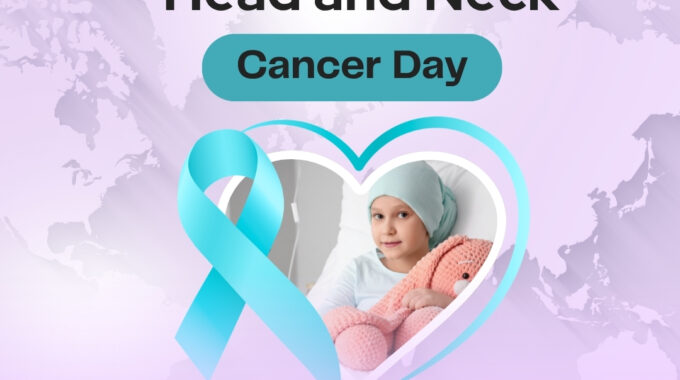
World Head and Neck Cancer Day is an important reminder that awareness, early evaluation, and timely specialist care can make a meaningful difference in cancer management. Head and neck cancers can affect different areas, including the mouth, throat, voice box, neck, salivary glands, and thyroid region.

Medical Oncology Abu Dhabi: Personalized Cancer Treatment and Care
Cancer treatment has become increasingly personalized with advances in medical research, precision medicine, and targeted therapies. Medical Oncology Abu Dhabi services focus on diagnosing, treating, and managing different types of cancer using medication-based therapies such as chemotherapy, immunotherapy, hormone therapy, and targeted treatment. Modern oncology care aims to improve treatment outcomes while supporting patients throughout every stage of their cancer journey.
Medical oncologists work closely with surgeons, radiation oncologists, radiologists, and pathology specialists to create individualized treatment plans. This multidisciplinary approach helps ensure that patients receive comprehensive care tailored to their condition, cancer stage, and overall health needs.
Medical Oncology Abu Dhabi and Its Role in Cancer Care
Medical oncology is a specialized branch of medicine that focuses on treating cancer through systemic therapies. These treatments travel throughout the body to target cancer cells, making them effective for cancers that may spread beyond one location.
Treatment recommendations depend on several factors, including cancer type, tumor size, genetic markers, and patient health. Oncology specialists carefully evaluate each case before selecting the most appropriate therapy approach.
Common Cancers Treated by Medical Oncologists
Medical oncology teams frequently manage conditions such as:
- Breast cancer
- Lung cancer
- Colorectal cancer
- Thyroid cancer
- Blood cancers
- Prostate cancer
Patients receiving Oncology Treatment Abu Dhabi services often benefit from individualized treatment planning and ongoing disease monitoring.
Understanding Chemotherapy and Systemic Therapies
Chemotherapy remains one of the most commonly used cancer treatments. It works by targeting rapidly growing cancer cells and may be used before surgery, after surgery, or alongside radiation therapy.
Modern Chemotherapy Dubai services increasingly use advanced medications and supportive therapies to improve treatment tolerance and reduce side effects.
Types of Medical Oncology Treatments
Chemotherapy
Chemotherapy uses medications to destroy cancer cells or slow their growth throughout the body.
Targeted Therapy
Targeted therapy focuses on specific genetic or molecular features found in cancer cells.
Immunotherapy
Immunotherapy helps the body’s immune system recognize and attack cancer cells more effectively.
Hormone Therapy
Hormone therapy is commonly used for cancers influenced by hormones, such as breast and prostate cancer.
Benefits of Personalized Cancer Treatment
Advances in precision medicine have transformed cancer care by allowing treatments to be customized for individual patients. Genetic testing and molecular profiling help oncologists identify therapies most likely to benefit each patient.
Advantages of Personalized Oncology Care
- Individualized treatment planning
- Improved therapy targeting
- Better treatment monitoring
- Reduced unnecessary side effects
- Combination therapy options
- Enhanced long-term management
An experienced Cancer Specialist UAE team carefully evaluates treatment response and adjusts therapies as needed throughout the care process.
Diagnostic Evaluation Before Treatment
Accurate diagnosis is essential for developing an effective oncology treatment plan. Medical oncologists rely on imaging studies, biopsies, laboratory testing, and molecular profiling to determine cancer characteristics and stage.
Diagnostic procedures may include CT scans, MRI scans, PET imaging, blood tests, and pathology analysis. These evaluations help guide treatment decisions and improve therapy precision.
In many cases, oncology specialists discuss complex cases within multidisciplinary tumor boards to ensure comprehensive patient management.
Managing Side Effects During Cancer Therapy
Cancer treatments may affect healthy cells alongside cancer cells, leading to temporary side effects. Modern oncology care focuses heavily on symptom management and supportive care to maintain patient comfort and quality of life.
Common Side Effects of Medical Oncology Treatment
- Fatigue
- Nausea and appetite changes
- Hair loss
- Increased infection risk
- Digestive discomfort
- Temporary weakness
Supportive medications, nutritional guidance, and close medical monitoring help patients manage these side effects more effectively during treatment.
Importance of Multidisciplinary Oncology Care
Cancer treatment often requires collaboration between multiple healthcare specialists. Medical oncologists coordinate with surgeons, radiation oncologists, rehabilitation experts, nutritionists, and palliative care providers to support comprehensive patient care.
Healthcare facilities such as Thyroid Surgery emphasize coordinated treatment planning to improve communication between specialists and enhance patient support throughout treatment and recovery.
This integrated approach allows patients to receive more organized and individualized cancer care under one treatment pathway.
Future of Medical Oncology in the UAE
The future of oncology continues to evolve through advancements in precision medicine, immunotherapy, artificial intelligence, and genomic testing. New therapies are helping improve survival outcomes and expand treatment options for patients with complex cancers.
As healthcare innovation continues to grow, Medical Oncology Abu Dhabi services are expected to provide increasingly personalized and technology-driven cancer care solutions across the UAE. Ongoing research and clinical advancements continue to improve treatment effectiveness and patient quality of life.
FAQs
What does a medical oncologist do?
A medical oncologist diagnoses and treats cancer using chemotherapy, immunotherapy, and targeted therapies.
Is chemotherapy the only oncology treatment?
No, oncology treatments may include immunotherapy, hormone therapy, and targeted therapy.
How is cancer treatment planned?
Treatment depends on cancer type, stage, genetic factors, and overall patient health.
Can side effects from chemotherapy be managed?
Yes, supportive care and medications help manage many common chemotherapy side effects.

Related Posts

This Post Has 0 Comments